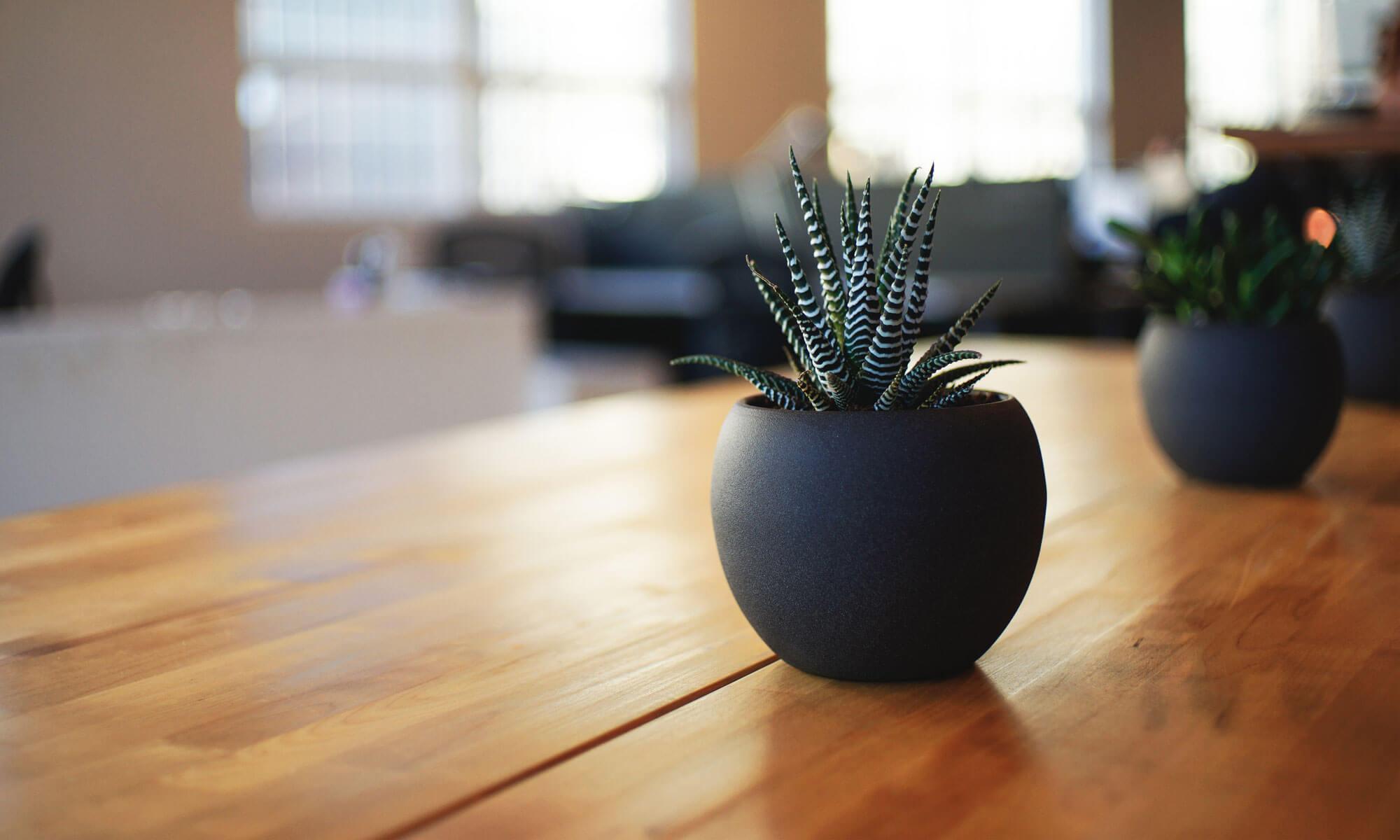
"Through my twenties I was potting little plants all over. Some I was watering more than others; some I was harvesting from more than others. But by my thirties I could see which plants were still alive and flourishing." — Unknown heard on a podcast
"Everyone must leave something behind when he dies, my grandfather said. A child or a book or a painting or a house or a wall built or a pair of shoes made. Or a garden planted. Something your hand touched some way so your soul has somewhere to go when you die, and when people look at that tree or that flower you planted, you’re there. It doesn’t matter what you do, he said, so long as you change something from the way it was before you touched it into something that’s like you after you take your hands away. The difference between the man who just cuts lawns and a real gardener is in the touching, he said. The lawn-cutter might just as well not have been there at all; the gardener will be there a lifetime." — Ray Bradbury Fahrenheit 451
"Learn to nourish yourself and your loved ones with joy. Sometimes a kind word or two are enough to help them blossom like a flower. ... Our loved ones and relationships are like flowers that need regular watering to stay fresh and alive. If we do not water the other person’s flowers, our love or the relationship may wilt or die." — Thich Nhat Hanh How to Fight
"When we’re overcome by strong emotions we’re like a tree in a storm, with its top branches and leaves swaying in the wind. But the trunk of the tree is solid, stable, and deeply rooted in the earth. When we’re caught in a storm of emotions, we can practice to be like the trunk of the tree. We don’t stay up in the high branches. We go down to the trunk and become still, not carried away by our thinking and emotions." — Thich Nhat Hanh How to Fight
"I've seen deep-green moss and delicate alpine plants glow emerald, burgundy and gold beneath a spume of translucent ice—safely beneath the reach of my sharp axe and crampon points—like miniature worlds of living things preserved in giant drops of amber or globes of glass." — Katie Ives Alpinist Magazine, Issue 77, "Of Thin Ice"
"There is no shortage of water in the desert but exactly the right amount, a perfect ratio of water to rock, of water to sand, ensuring that wide, free, open, generous spacing among plants and animals, homes and towns and cities, which makes the arid west so different from any other part of the nation. There is no lack of water here, unless you try to establish a city where no city should be." — Edward Abbey Desert Solitaire: A Season in the Wilderness
"I’m a spokesperson not only for myself and my people but for those that aren’t able to speak for themselves. And that’s the land, the water, the air, and the animals. They’re not able to speak for themselves or advocate." — Regina Lopez-Whiteskunk
"What counts as valuable seems arbitrary; the human demarcation line seems blurry. Even for an expert, it’s hard to tell what’s natural or native at this point because the changes in the ecosystem are similarly subtle and blurred. Ranchers argue that irrigation smooths out the seasonal variation in stream flow and recharges the aquifer, creating habitat, making it better for people and wildlife. But it’s not necessarily historically native animals that would be there if ranchers weren’t watering the land. That’s the tricky part of trying to recreate an unclear past." — Heather Hansman Downriver: Into the Future of Water in the West
"The creature at your feet dismissed as a bug or a weed is a creation in and of itself. It has a name, a million-year history, and a place in the world. Its genome adapts it to a special niche in an ecosystem. The ethical value substantiated by close examination of its biology is that the life forms around us are too old, too complex, and potentially too useful to be carelessly discarded." — Edward Wilson The Future of Life
"Take nothing but pictures, leave nothing but footprints, kill nothing but time." — Unknown
"Every living thing has the same wish to flourish again and again. Beyond that, our differences are quibbles. I do not want to be a lonely species set adrift from all the rest." — Craig Childs The Animal Dialogues: Uncommon Encounters in the Wild
"When the aromatic savour of the pine goes searching into the deepest recesses of my lungs, I know it is life that is entering." — Nan Shepherd The Living Mountain
"The miracle was that each moment in our lives connected in a long chain to make a unique story, that it was all mystery, that we could shudder in the face of death and also laugh, that we could share burdens with each other, that a succulent could grow in a crack in the midst of all this stone and release oxygen in to the world so that I could live, that love remained waiting. There is wonder in noticing and contemplating and being a part of instead of separate from. In knowing that a thing, if done right, is filled with truth. I climbed. At the top of the wall was the start of my return to Michelle—another place to begin. Right here is also a place to begin, I thought." — Matt Spohn Alpinist Magazine, Issue 65, "Ground Up"
"A vertical cactus garden grows from the wall, as though micro-fissures in the stone have blown clusters of prickly bubbles." — Amanda Tarr Forrest Alpinist Magazine, Issue 65, "Homecoming"